

Therapeutic Interventions
The team at Melbourne Psycho-oncology Service are experienced in a range of evidence-based therapeutic interventions and will tailor their approach to the presenting issue and the needs and strengths of the their patient. Given the complex needs of people with a cancer diagnosis, a range, or combination, of interventions may be indicated.
Supportive Psychotherapy
Supportive psychotherapy encourages the expression of emotion, validates individual experience, provides support through empathic listening and encouragement, utilises information provision and highlights strengths of the individual and encourages the use of adaptive coping.
Cognitive Behavioural Therapy (CBT)
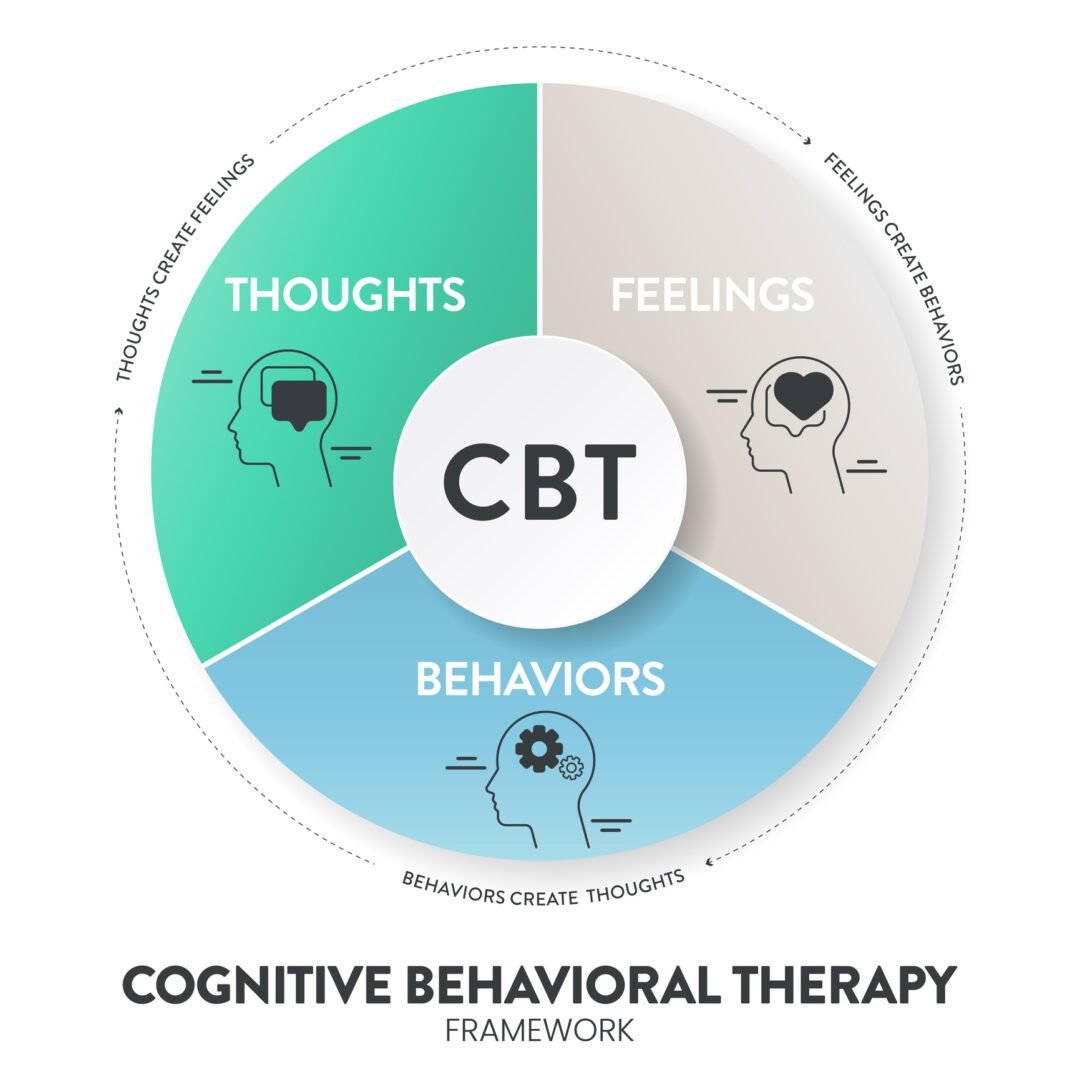
Cognitive Behavioural Therapy (CBT) aims to identify negative emotions, behaviours and thoughts (cognitions) and find ways to replace them with more effective ones. It has been shown to be effective in the treatment of depression, anxiety disorders, sleep and pain. The therapist and client work together as a team to identify and solve problems, challenge maladaptive thought processes and reframe unhelpful attitudes and beliefs. Active problem-solving is helpful in situations where there are high levels of uncertainty and the need for complex decisions to be made. These strategies reduce anxiety, increase confidence in decision-making, and give patients and their families an increased sense of control and mastery. The therapists at Melbourne Psycho-oncology Service use relaxation skills training and guided imagery as part of the cognitive behavioural approach to reduce distress, anxiety and panic in individuals living with uncertain cancer diagnoses.

Acceptance and Commitment Therapy (ACT)
Acceptance and Commitment Therapy (ACT) focuses on accepting unpleasant thoughts as part of who we are and letting thoughts come and go through observation rather than engagement. ACT involves the acceptance of what is out of the individual’s personal control, while committing to control whatever is in their personal control. It involves the clarification of what is truly important and meaningful, i.e. values, and then using that knowledge to guide, inspire and motivate the person to change life for the better. A range of psychological skills, such as mindfulness, are used to effectively deal with painful thoughts and feelings.
Mindfulness
Mindfulness-based approaches are non-judgemental, focus attention on the present moment, and increase awareness (Kabat-Zinn, 1994). While mindfulness approaches originated in the Buddhist tradition, they have been used in Western psychology for over 20 years and in psycho-oncology for around 15 years. The therapists at Melbourne Psycho-oncology Service are experienced in mindfulness interventions and teach mindfulness meditation to assist the individual to stay in the now and move away from engaging with the constant stream of thought present in everyone’s mind.

Somatic Psychotherapy
Somatic psychotherapy is a gentle yet powerful experiential psychotherapy that uses mindfulness and embodied interventions as pathways to healing. Emphasising awareness of physical sensations (like tension, breath, posture, and movement) rather than relying solely on talking about experiences, somatic therapy helps patient notice and regulate their nervous system responses and cultivate greater awareness of unconscious beliefs and self-understanding.
Existential Therapies
Existential and meaning-based therapeutic interventions are based on the work of Viktor Frankl. These therapies follow Frankl’s central theme that life has meaning under all circumstances and aim to challenge individuals to find meaning through suffering, work and love. The therapists at Melbourne Psycho-oncology Service use a series of techniques to help the person find meaning in life that is unique to them at this unique moment of their life. Techniques such as positive reappraisal, finding benefits, and revising beliefs/goals are used.


Eye Movement Desensitisation and Reprocessing Therapy
For some people, their cancer experience can represent a traumatic event, leading to the development of posttraumatic stress disorder (PTSD). Eye Movement Desensitisation and Reprocessing (EMDR) is a structured, evidence-based treatment for PTSD that helps reduce distress linked to traumatic memories by helping the brain reprocess the disturbing memories so they can be integrated in a healthier way and feel less emotionally overwhelming. Treatment with EMDR has been shown to significantly reduce psychological distress and a range of cancer-related psychological symptoms.
Clinical Hypnosis
Clinical hypnosis can be used in a cancer setting to assist with treatment side effects such as nausea, pain, and sleep disturbance. It has a role in the management of needle phobia and other anxiety disorders and can be used to assist with psychotherapy in those with depression.

Sleep Strategies
Issues with sleep are common among those having treatment for cancer and include difficulty getting to sleep and staying asleep. Using a cognitive approach, the team of therapists at Melbourne Psycho-oncology Service teaches sleep hygiene strategies and specific relaxation and mindfulness interventions to improve both the quality and the amount of sleep.